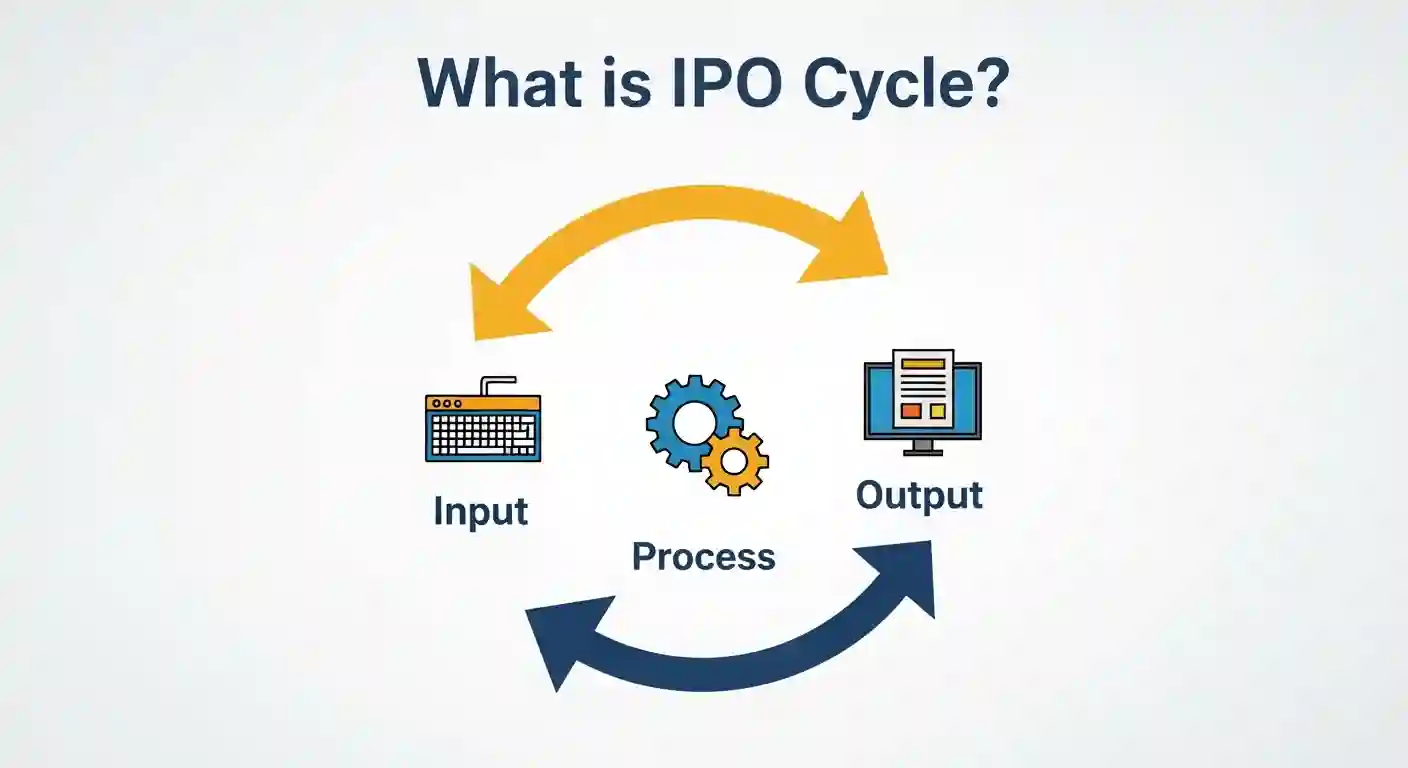

When a private firm is looking to raise funds and go public, it makes an IPO (Initial Public Offering). The entire process of going public involves a number of steps, and the entire process is referred to as the IPO cycle. The IPO cycle is a very tightly controlled process and involves a number of steps to ensure that everything is fair and transparent for the firm as well as its investors. In this article, we will discuss how the IPO cycle works and what an investor needs to know before getting involved.
What Is the IPO Cycle?
The IPO cycle is the number of steps a firm has to take in order to transition from being a private firm to a publicly traded firm on the stock market.
Detailed Steps in the IPO Cycle
Pre-IPO Stage
- Appointment of Key Intermediaries: The company appoints investment bankers, registrars, underwriters, market makers, and legal advisors to manage the IPO process.
- Preparation & DRHP Filing: The company and its intermediaries prepare a Draft Red Herring Prospectus (DRHP) and file it with SEBI and the stock exchanges. The DRHP contains details about the company’s business, financials, management, and how the IPO funds will be used.
- Public Comment Period: The DRHP is made public for at least 21 days. Stakeholders can review and give feedback during this period.
- Marketing and Publicity: The company starts marketing campaigns to attract investors, following SEBI’s guidelines.
- In-Principle Approval: The stock exchanges review the DRHP and grant in-principle approval for listing. SEBI may ask for clarifications during this stage.
- SEBI’s Observation Letter: SEBI reviews the DRHP and issues an Observation Letter within 30 days, clearing the IPO for the next steps. This letter is valid for 12 months.
- Updated DRHP (UDRHP) Filing: The company files an updated DRHP addressing SEBI’s comments. SEBI reviews the changes.
- Filing of the Red Herring Prospectus (RHP): The company submits the RHP to the Registrar of Companies (RoC) and announces the price band at least two days before the IPO opens.
Advantages of Participating in the IPO Cycle
- Early Investment Opportunity: Investors who get IPO allotment can buy shares at a lower price. If the IPO lists at a premium, they can make significant profits. For example, Bajaj Housing Finance’s IPO in September 2024 doubled investors’ money, listing at ₹150 from an issue price of ₹70.
- Brand Recognition: Going public boosts a company’s visibility, trust, and competitive position.
- Exit Path for Early Investors: IPOs allow early investors, venture capitalists, and founders to sell their shares and realise returns.
Challenges of Participating in the IPO Cycle
- Regulatory Hurdles: Companies must follow SEBI’s rules and processes. If the DRHP is incomplete or non-compliant, SEBI may reject it, delaying the IPO and increasing costs.
- Market Uncertainty: Listing performance depends on market conditions. Even strong companies may see poor listings in a bearish market.
- Lock-in Period for Anchor Investors: Anchor investors can’t sell their shares immediately. When the lock-in ends, their exit can create volatility.
- Overhyped Valuations: Some IPOs are priced too high, driven by excitement rather than business performance. This can lead to losses for investors after listing.
Conclusion
The IPO cycle is a complicated but very important process for companies that are going public and for investors who are interested in purchasing new stocks. The IPO cycle provides an early investment opportunity and the chance to build a brand but also involves risks.
Learn More:
- Practice Trading Strategies With Paper Trading Before Investing Real Money
- 8 High Return Hybrid Mutual Funds With 20%+ CAGR (Last 5 Years)
- Top 10 Jewellery Stocks in India 2025: Best Investment Options for Smart Investors
- How to Invest in US Stocks via Mutual Funds
FAQ: What is IPO Cycle?
Q1. What do you mean by the IPO cycle?
The IPO cycle is how a private company becomes publicly traded. It includes stages like preparation, filing, pricing, and the final offering to the public.
Q2. Is IPO risk free?
No, investing in an Initial Public Offering (IPO) is not risk-free; it carries significant risks like high volatility, uncertainty due to limited history, potential overvaluation, and market fluctuations, despite offering the potential for high returns and early access to growth. Thorough due diligence on the company’s financials, industry, and business model, along with understanding the risks detailed in the prospectus (Red Herring Prospectus), is crucial before investing, as losses are possible.